Crafting Tranquility: How to Cultivate a Coconut Bonsai Plant
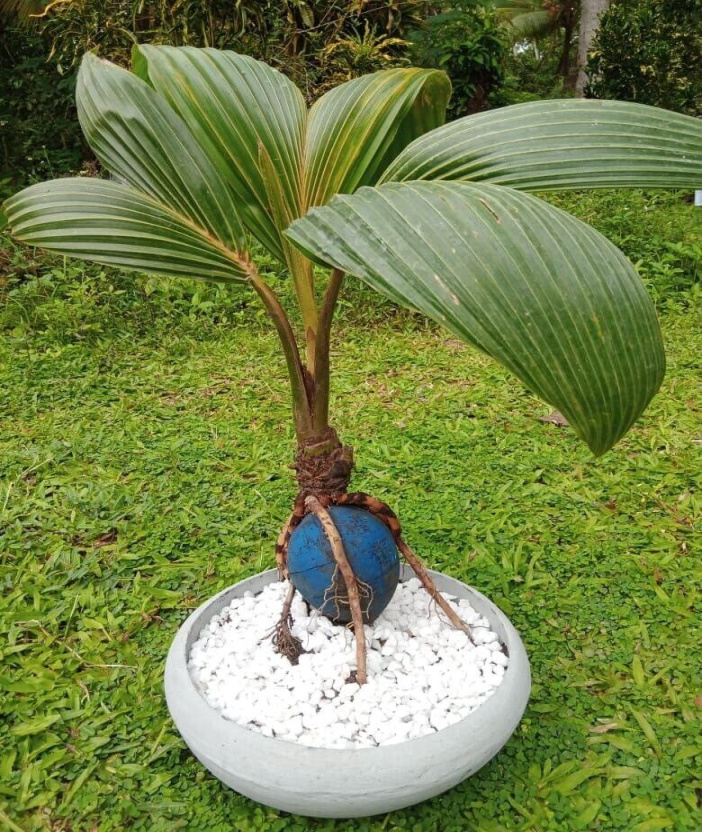
Imagine having a tiny coconut tree in your home, a symbol of peace and serenity right in your living room. Cultivating a coconut bonsai plant is not only a fun and rewarding experience but also a great way to bring a sense of calmness and tranquility into your space. In this article, we will explore the art of growing a coconut bonsai plant and the steps you can take to craft your own little piece of paradise.
The first step in cultivating a coconut bonsai plant is to find a suitable coconut to use as the base of your bonsai. Look for a coconut that is still green and has not yet sprouted. You can usually find these at your local grocery store or market. Once you have your coconut, carefully drain out the water by drilling a small hole at the top and bottom of the coconut.
Next, it’s time to prepare the coconut for planting. Using a sharp knife, carefully remove the outer husk of the coconut, being careful not to damage the inner shell. Once the husk is removed, you will be left with the hard inner shell of the coconut, which will serve as the base for your bonsai plant.
Now it’s time to create a suitable environment for your coconut bonsai plant to thrive. Fill a shallow tray with a well-draining bonsai soil mix, making sure to leave some space at the top for the coconut shell. Place the coconut shell in the tray, making sure it is stable and secure.
With the coconut shell in place, it’s time to plant your coconut bonsai tree. Carefully place a small bonsai seedling or cutting into the coconut shell, making sure the roots are covered with soil. Gently water the plant, making sure not to overwater, as this can cause root rot.
As your coconut bonsai plant begins to grow, it’s important to provide it with the proper care and attention. Make sure to place your bonsai plant in a sunny location, as coconut trees thrive in bright, indirect light. Water your plant regularly, making sure the soil is moist but not waterlogged.
In addition to proper watering and sunlight, your coconut bonsai plant will also benefit from regular fertilization. Use a balanced liquid fertilizer once a month during the growing season to provide your plant with the nutrients it needs to thrive.
As your coconut bonsai plant grows, you may need to periodically prune and shape it to maintain its bonsai form. Use sharp bonsai scissors to carefully trim back any overgrown branches or leaves, making sure to maintain the overall balance and shape of the plant.
With time and patience, your coconut bonsai plant will continue to grow and thrive, bringing a sense of tranquility and peace into your home. Take the time to enjoy the beauty of your miniature coconut tree and appreciate the art of cultivating serenity through the art of bonsai gardening.
Cultivating Calm: Step-by-Step Guide to Growing a Coconut Bonsai
In today’s fast-paced world, finding moments of calm and tranquility can be a challenge. One way to cultivate a sense of peace and serenity in your life is through the art of growing a coconut bonsai plant. This ancient practice has been used for centuries to promote relaxation and mindfulness, and it’s easier than you might think to get started.
To begin your journey towards a more peaceful existence, you’ll need to gather a few supplies. First and foremost, you’ll need a young coconut tree sapling. These can typically be found at your local nursery or garden center. You’ll also need a shallow pot, some well-draining soil, and a pair of pruning shears.
Once you have all of your supplies gathered, it’s time to start the process of growing your coconut bonsai plant. Begin by filling your pot with well-draining soil, making sure to leave enough room for the roots of your sapling. Carefully remove the sapling from its container and gently loosen the roots before placing it in the pot.
Next, it’s time to shape your bonsai plant. Using your pruning shears, carefully trim any excess branches or leaves to create a more compact and aesthetically pleasing shape. Remember, the goal of a bonsai plant is to mimic the appearance of a mature tree in miniature form, so take your time and pay attention to detail.
As your coconut bonsai plant begins to grow, it’s important to provide it with the proper care and attention. Make sure to water your plant regularly, keeping the soil moist but not waterlogged. Additionally, be sure to place your bonsai plant in a location where it will receive plenty of sunlight, as coconut trees thrive in bright, sunny conditions.
One of the most rewarding aspects of growing a coconut bonsai plant is watching it thrive and flourish under your care. As your plant grows, you may begin to notice small coconuts forming on the branches. These can be a wonderful addition to your bonsai tree, adding a touch of tropical flair to your home or garden.
In addition to the aesthetic benefits of growing a coconut bonsai plant, there are also numerous health benefits to be gained from this practice. Studies have shown that spending time in nature and caring for plants can help to reduce stress and anxiety, promote relaxation, and improve overall mental well-being. By cultivating a coconut bonsai plant, you can create a peaceful sanctuary in your own home where you can escape the stresses of everyday life and find a moment of calm.
So, whether you’re looking to add a touch of tropical tranquility to your home or simply seeking a new hobby to help you relax and unwind, growing a coconut bonsai plant is a wonderful way to cultivate a sense of calm and serenity in your life. With a little time, care, and attention, you’ll soon have a beautiful and thriving bonsai tree to enjoy for years to come.