Marvel at the Majestic Wisteria Flower Plant
The wisteria flower plant is truly a sight to behold. With its cascading clusters of purple, pink, blue, or white flowers, it creates a breathtaking display of beauty that is sure to impress anyone who lays eyes on it. The wisteria plant is known for its vigorous growth and stunning flowers, making it a popular choice for gardens, arbors, and pergolas around the world.
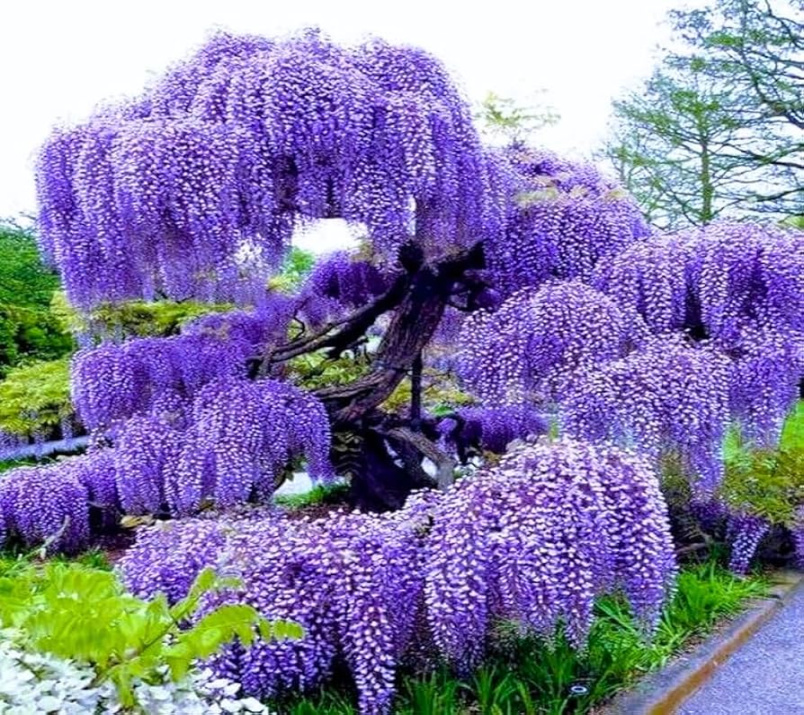
One of the most striking features of the wisteria flower plant is its long, hanging flower clusters that drape gracefully from the vine. These clusters can grow to be several feet long, creating a stunning visual effect as they sway gently in the breeze. The flowers themselves are small and pea-like in shape, but when they are grouped together in such large clusters, they create a truly magnificent display.
The wisteria flower plant is also known for its sweet, intoxicating fragrance. The scent of wisteria flowers is often compared to that of grape soda or sweet pea flowers, making it a favorite among gardeners and flower enthusiasts. This delightful fragrance is not only pleasant to humans but also attracts bees, butterflies, and other pollinators to the plant, helping to ensure its continued growth and beauty.
In addition to its stunning flowers and delightful fragrance, the wisteria flower plant is also admired for its hardiness and ease of care. Wisteria plants are relatively low-maintenance and can thrive in a variety of soil types and growing conditions. They are also quite resilient to pests and diseases, making them a great choice for gardeners of all skill levels.
The wisteria flower plant is native to Asia, specifically China, Korea, and Japan, where it has been cultivated for centuries for its beauty and symbolism. In Chinese culture, wisteria is often associated with immortality and longevity, while in Japanese culture, it is seen as a symbol of love, sensuality, and tenderness. The wisteria flower plant has also made its way into Western culture, where it is often used in floral arrangements, weddings, and other special occasions.
For those lucky enough to have a wisteria flower plant in their garden, the springtime bloom is a truly magical experience. As the weather warms up and the days grow longer, the wisteria plant bursts into color, creating a stunning display of purple, pink, blue, or white flowers that are sure to attract attention. Gardeners often gather beneath the wisteria vine to marvel at its beauty and bask in the sweet scent of its flowers.
In conclusion, the wisteria flower plant is a true marvel of nature, with its cascading clusters of colorful flowers, delightful fragrance, and cultural significance. Whether grown in a garden, on an arbor, or in a pot, the wisteria plant never fails to impress with its beauty and grace. So next time you come across a wisteria flower plant, take a moment to pause and marvel at its majesty – you won’t be disappointed.
Delve into the Dazzling World of Wisteria Blooms
When it comes to blooming beauty, few flowers can rival the enchanting wisteria. This exquisite plant, known for its cascading clusters of fragrant blooms, has captivated gardeners and nature lovers for centuries. Let’s delve into the dazzling world of wisteria blooms and discover what makes this flower so special.
Wisteria, a member of the pea family, is a climbing vine that can reach impressive heights with proper support. Its long, twining stems are adorned with lush, green foliage that provides the perfect backdrop for the stunning flowers to come. The most common varieties of wisteria are the Chinese wisteria (Wisteria sinensis) and the Japanese wisteria (Wisteria floribunda), both of which are prized for their abundant, showy blooms.
One of the most striking features of the wisteria plant is its breathtaking flowers. The blooms appear in spring or early summer, depending on the variety, and can range in color from delicate shades of lavender and blue to vibrant hues of pink and white. The flowers are produced in long, hanging clusters called racemes, which can reach lengths of up to 18 inches. When in full bloom, a wisteria vine looks like a cascading waterfall of color, creating a truly magical sight in any garden.
Not only are wisteria blooms visually stunning, but they also emit a sweet, intoxicating fragrance that fills the air with their heavenly scent. The fragrance of wisteria is often described as a blend of jasmine, lilac, and honey, making it a favorite among pollinators such as bees and butterflies. In addition to their beauty and fragrance, wisteria blooms are also symbolic of love, longevity, and immortality in many cultures, adding an extra layer of meaning to these already enchanting flowers.
In addition to their aesthetic appeal, wisteria blooms also play an important role in the ecosystem. The nectar-rich flowers attract a wide variety of pollinators, helping to support biodiversity in the garden. As pollinators visit the flowers to feed on nectar and collect pollen, they inadvertently transfer pollen from one flower to another, enabling the plant to produce seeds and propagate itself. In this way, wisteria blooms contribute to the cycle of life and growth in the natural world.
Growing wisteria in your own garden can be a rewarding experience, but it does require some careful attention to ensure the plant thrives and produces abundant blooms. Wisteria prefers full sun and well-drained soil, so be sure to plant it in a sunny spot with good drainage. The vine will also need a sturdy support structure to climb, such as a trellis, pergola, or arbor. Pruning is essential to promote flowering and prevent the vine from becoming too unruly, so be prepared to regularly trim back excess growth.
Despite its beauty, wisteria can be a bit of a diva in the garden, requiring regular maintenance to keep it in check. The vine is known for its vigorous growth and tendency to spread rapidly, so be prepared to keep a close eye on it and prune as needed to prevent it from taking over your garden. With proper care and attention, however, wisteria can reward you with years of glorious blooms and fragrant beauty.
In conclusion, wisteria blooms are a true marvel of nature, combining stunning beauty, intoxicating fragrance, and ecological importance in one enchanting package. Delving into the dazzling world of wisteria blooms is a delightful experience that will captivate your senses and bring joy to your garden. So why not add a touch of blooming beauty to your outdoor space with this wondrous flower plant? Your garden will thank you for it.