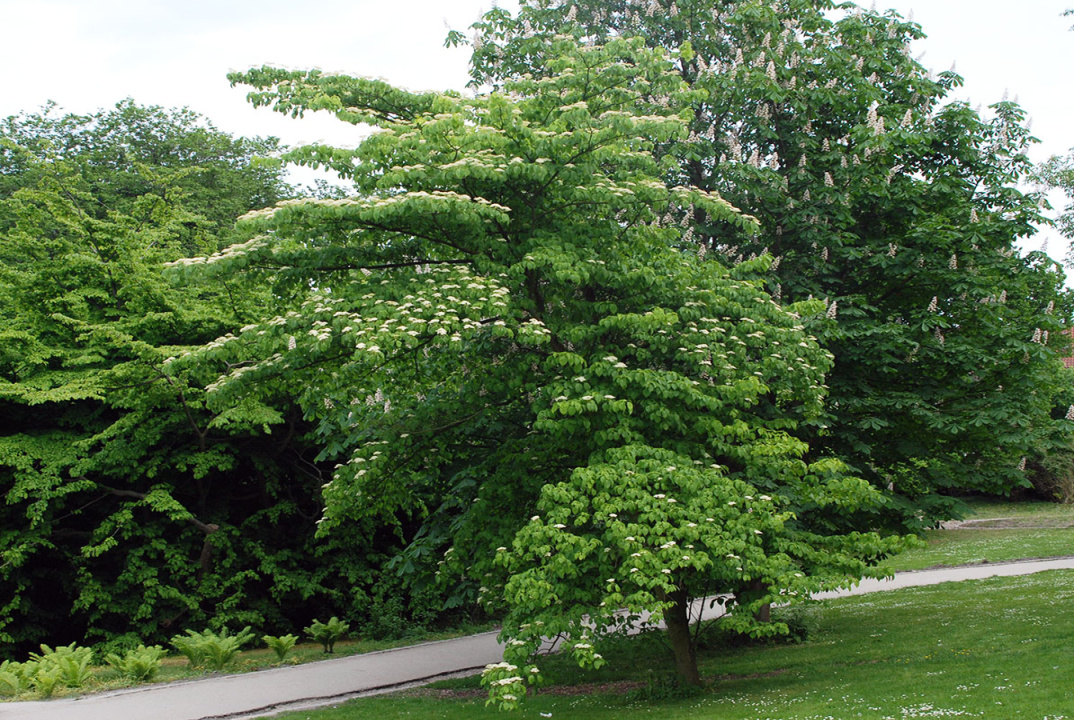
Cornus Controversa: Friend or Foe of the Garden?
The Cornus Controversa, also known as the Wedding Cake Tree or the Giant Dogwood, has been a topic of much debate among gardeners and environmentalists alike. Some hail it as a unique and beautiful addition to any garden, while others see it as an invasive species that can wreak havoc on native flora and fauna. So, which is it – friend or foe?
One of the main reasons why the Cornus Controversa has sparked such controversy is its rapid growth rate. This tree can reach heights of 30 feet or more in just a few years, making it a desirable choice for those looking to create a lush and dense garden quickly. However, its aggressive growth can also make it difficult to control, especially in smaller or more delicate ecosystems.
Another point of contention is the Cornus Controversa’s impact on biodiversity. While its showy white flowers and attractive foliage can attract pollinators and other wildlife, some argue that it can outcompete native plants for resources and disrupt the delicate balance of the ecosystem. This has led to calls for its removal in certain areas in order to protect native species.
Despite these concerns, there are many gardeners and horticulturalists who believe that the Cornus Controversa has a place in the garden. Its unique tiered branches and striking appearance make it a standout feature in any landscape, and its ability to thrive in a variety of conditions makes it a versatile choice for many gardeners. Additionally, its flowers and fruits can provide food and shelter for wildlife, further enhancing the garden’s appeal.
Ultimately, whether the Cornus Controversa is a friend or foe of the garden may depend on the context in which it is planted. In controlled garden settings where its growth can be managed and monitored, it can be a valuable addition to the landscape. However, in more sensitive or natural environments, it may be best to exercise caution and consider the potential impact of its presence.
In conclusion, the Cornus Controversa is a unique and polarizing plant that has divided opinions among gardeners and conservationists. While its rapid growth and potential impact on biodiversity are cause for concern, its beauty and versatility make it a valuable asset in the garden. Ultimately, the decision to plant the Cornus Controversa should be made with careful consideration of its potential benefits and drawbacks in order to strike a balance between its status as a unique plant and a possible invasive species.
Unraveling the Mystery of Cornus Controversa
In the world of gardening and landscaping, few plants spark as much debate and controversy as Cornus Controversa. Also known as the Wedding Cake Tree or the Giant Dogwood, this unique plant has divided enthusiasts and experts alike, with some hailing it as a stunning addition to any garden while others decry it as an invasive species that should be avoided at all costs.
The debate over Cornus Controversa is nothing new, dating back to its introduction to the gardening world in the early 19th century. Native to East Asia, this deciduous tree boasts distinctive tiered branches that resemble a wedding cake, hence its popular nickname. Its elegant appearance and eye-catching foliage have made it a sought-after choice for many gardeners looking to add a touch of whimsy to their outdoor spaces.
However, the allure of Cornus Controversa is not without its drawbacks. Despite its beauty, some experts warn that this plant has a tendency to spread rapidly and aggressively, outcompeting native vegetation and disrupting ecosystems. Its invasive nature has led to calls for its removal in certain regions where it has become a nuisance, sparking heated debates among conservationists and gardeners alike.
So, what is the truth behind the divisive debate over Cornus Controversa? Is it a unique plant worthy of admiration, or a troublesome invader that should be avoided at all costs? The answer may lie in understanding the plant’s behavior and characteristics, as well as taking into account the larger ecological impact of its presence in a garden or landscape.
One of the key factors that fuels the controversy surrounding Cornus Controversa is its ability to self-seed and spread rapidly. This trait, while beneficial for the plant’s survival in the wild, can pose a threat to native flora and fauna in a garden setting. Without proper management and containment, Cornus Controversa has the potential to overrun other plants and disrupt the delicate balance of an ecosystem.
On the other hand, proponents of Cornus Controversa argue that its unique appearance and resilience make it a valuable addition to any garden. Its tiered branches and striking foliage provide year-round interest, creating a focal point that draws the eye and adds a touch of drama to the landscape. Additionally, its adaptability to a wide range of soil types and growing conditions make it a versatile choice for gardeners looking for a low-maintenance yet visually stunning plant.
Ultimately, the decision to plant Cornus Controversa comes down to personal preference and careful consideration of its potential impact on the surrounding environment. Proper planning and management can help mitigate the risks associated with this plant’s invasive tendencies, allowing gardeners to enjoy its beauty without contributing to ecological disruption.
In conclusion, the debate over Cornus Controversa is far from settled, with passionate arguments on both sides of the issue. Whether you see it as a unique and valuable addition to your garden or a troublesome invader that should be avoided, one thing is clear: the Wedding Cake Tree continues to spark controversy and intrigue among gardeners and conservationists alike. Only time will tell whether this enigmatic plant will be celebrated or condemned in the years to come.