Spruce Up Your Space: Eco-Friendly Front Yard Ideas
Are you looking to create a beautiful and sustainable front yard that will not only enhance the appearance of your home but also help conserve water? Look no further! With a little creativity and some eco-friendly landscaping ideas, you can easily transform your outdoor space into a green oasis that is both stunning and water-saving.
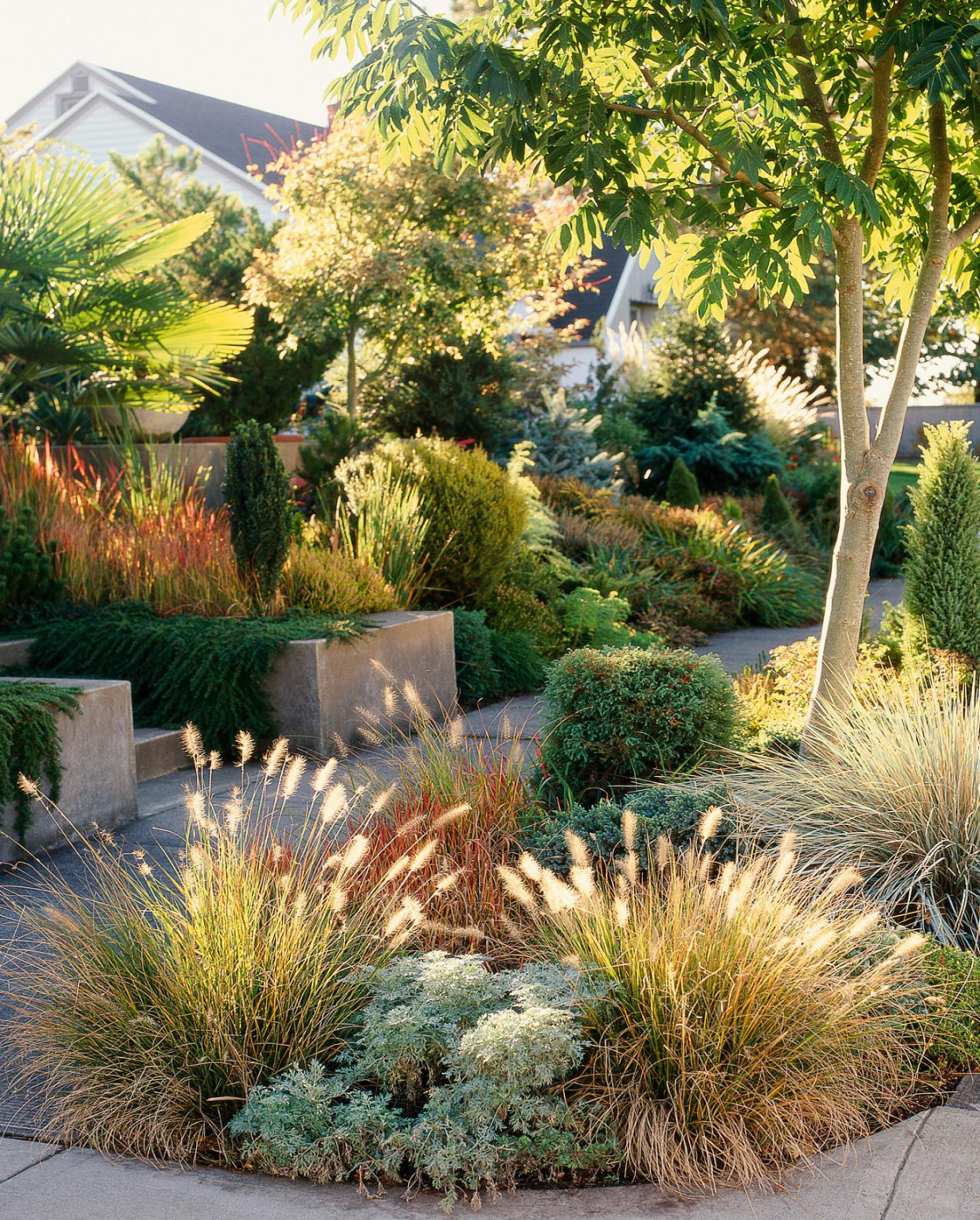
One of the first steps in greening your front yard is to rethink your lawn. Traditional grass lawns require a significant amount of water to maintain, especially in hot and dry climates. Consider replacing some or all of your grass with drought-tolerant native plants, succulents, or ornamental grasses. Not only will these plants require less water, but they will also add texture, color, and interest to your yard.
Another eco-friendly front yard idea is to incorporate a rain garden into your landscape. A rain garden is a shallow depression that is planted with native vegetation and designed to capture and absorb rainwater runoff from your roof, driveway, and other surfaces. By directing water into a rain garden, you can help reduce erosion, filter pollutants, and recharge groundwater while creating a beautiful and functional landscape feature.
To further conserve water in your front yard, consider installing a drip irrigation system. Unlike traditional sprinkler systems that can waste water through evaporation and runoff, drip irrigation delivers water directly to the roots of plants, where it is needed most. This targeted approach not only reduces water waste but also helps prevent weeds and diseases by keeping foliage dry.
In addition to choosing water-efficient plants and irrigation systems, there are other simple ways to green your front yard and save water. For example, mulching around plants and trees can help retain moisture in the soil, reduce evaporation, and suppress weeds. You can also collect rainwater in a barrel or cistern and use it to water your plants, reducing your reliance on municipal water sources.
When it comes to hardscaping your front yard, opt for permeable materials such as gravel, permeable pavers, or decomposed granite. These materials allow rainwater to soak into the ground instead of running off into storm drains, helping to recharge groundwater and reduce flooding. You can also create pathways or patios using salvaged materials such as reclaimed wood or recycled concrete, giving your yard a unique and eco-friendly touch.
Lastly, don’t forget to consider the wildlife when greening your front yard. Planting native flowers, shrubs, and trees will not only attract pollinators such as bees and butterflies but also provide food and habitat for birds and other wildlife. By creating a diverse and welcoming environment for wildlife, you can help support biodiversity and create a more vibrant and sustainable ecosystem in your own backyard.
In conclusion, greening your front yard with eco-friendly landscaping ideas is not only good for the environment but also for your wallet. By implementing water-saving techniques, choosing sustainable materials, and creating a wildlife-friendly habitat, you can transform your outdoor space into a beautiful and green oasis that will bring joy and benefits for years to come. So go ahead, spruce up your space and make a positive impact on the planet with these simple and creative ideas.
Say Goodbye to Wasted Water: Transform Your Landscape
When it comes to greening your front yard, one of the most important aspects to consider is water conservation. Wasting water not only harms the environment but also adds unnecessary costs to your monthly bill. By implementing water-saving landscaping ideas, you can transform your landscape into a sustainable and eco-friendly oasis.
One of the first steps in reducing water waste in your front yard is to choose native plants that are well adapted to your region’s climate. Native plants require less water and maintenance compared to exotic species, making them an excellent choice for water-saving landscaping. Additionally, native plants attract local wildlife such as birds and butterflies, enhancing the biodiversity of your front yard.
Incorporating a drip irrigation system is another effective way to conserve water in your landscape. Unlike traditional sprinklers that can waste water through evaporation and runoff, drip irrigation delivers water directly to the roots of plants, minimizing water loss. By using a timer on your drip irrigation system, you can ensure that your plants receive the right amount of water at the right time, further reducing water waste.
Mulching is another key strategy for water-saving landscaping. Mulch helps to retain moisture in the soil, reducing the frequency of watering needed for your plants. Organic mulches such as wood chips, straw, or compost also improve soil health and fertility, creating a more sustainable environment for your plants to thrive in.
Rainwater harvesting is a sustainable practice that can help you reduce your water usage and reliance on municipal water sources. Installing rain barrels or cisterns in your front yard allows you to capture rainwater from your roof and use it to water your plants. Not only does this reduce your water bill, but it also helps to alleviate pressure on local water supplies during dry periods.
Another water-saving landscaping idea is to create a rain garden in your front yard. A rain garden is a shallow depression planted with native vegetation that helps to absorb and filter rainwater runoff from your roof, driveway, or sidewalks. By directing rainwater into a rain garden, you can reduce the amount of water that flows into storm drains and ultimately protect local waterways from pollution.
Replacing traditional turf grass with drought-tolerant ground covers or native grasses is another effective way to conserve water in your front yard. Turf grass requires a significant amount of water to stay green and lush, making it a high-maintenance and water-intensive landscaping choice. Drought-tolerant ground covers, on the other hand, can thrive with minimal water and maintenance, reducing your overall water usage.
Incorporating hardscaping elements such as permeable pavers or gravel pathways into your front yard can also help to reduce water waste. Permeable pavers allow rainwater to infiltrate the soil, preventing runoff and reducing the strain on stormwater systems. Gravel pathways provide a low-maintenance alternative to traditional grass or concrete, further minimizing water usage in your landscape.
By implementing these water-saving landscaping ideas, you can transform your front yard into a sustainable and eco-friendly space that not only conserves water but also enhances the beauty and biodiversity of your outdoor environment. Say goodbye to wasted water and hello to a greener, more sustainable landscape for you and your community to enjoy.